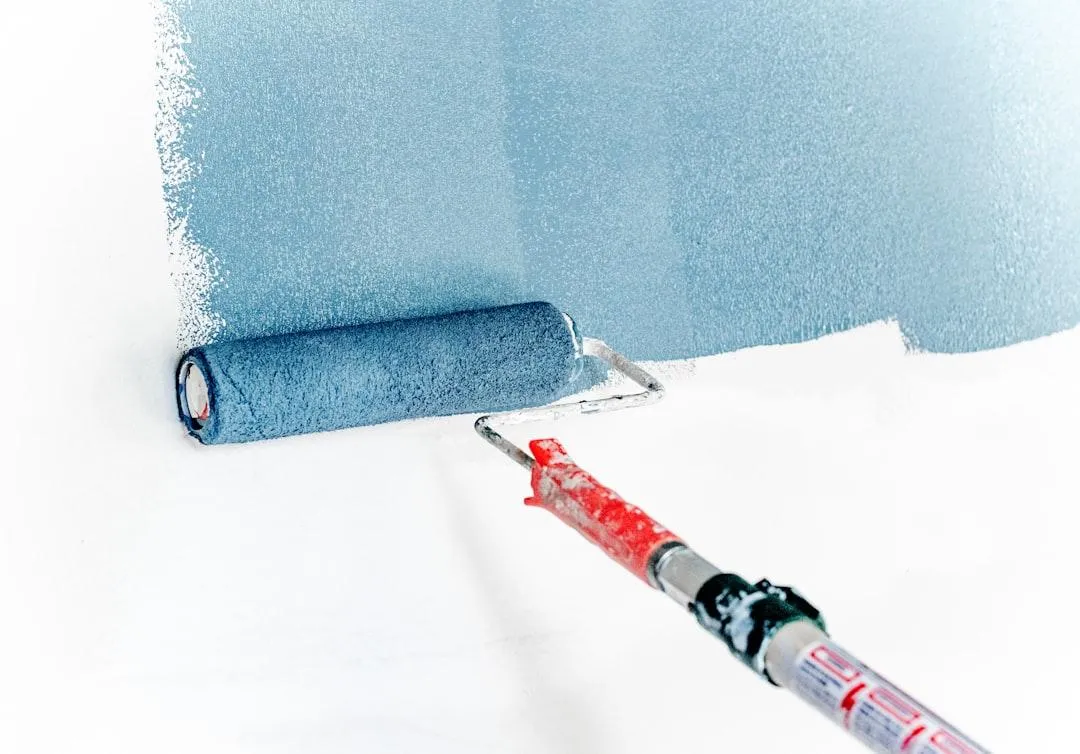
Biggest Interior Painting Mistakes (And How to Avoid Them)
Biggest Interior Painting Mistakes (And How to Avoid Them)
As someone with 9+ years in construction and real estate in Ottawa, and countless renovation projects under my belt, I’ve seen my fair share of painting mistakes in local homes. Simple mistakes from a DIY paint job can ruin an otherwise great project and cost a lot of money and time to fix! I’ve outlined some of the most common mistakes I’ve come across, and if you can relate to any of these, continue reading to figure out how you can fix them. If you don’t feel comfortable please don’t be shy and contact us here at Cadence Painting for a free consultation and proposal.
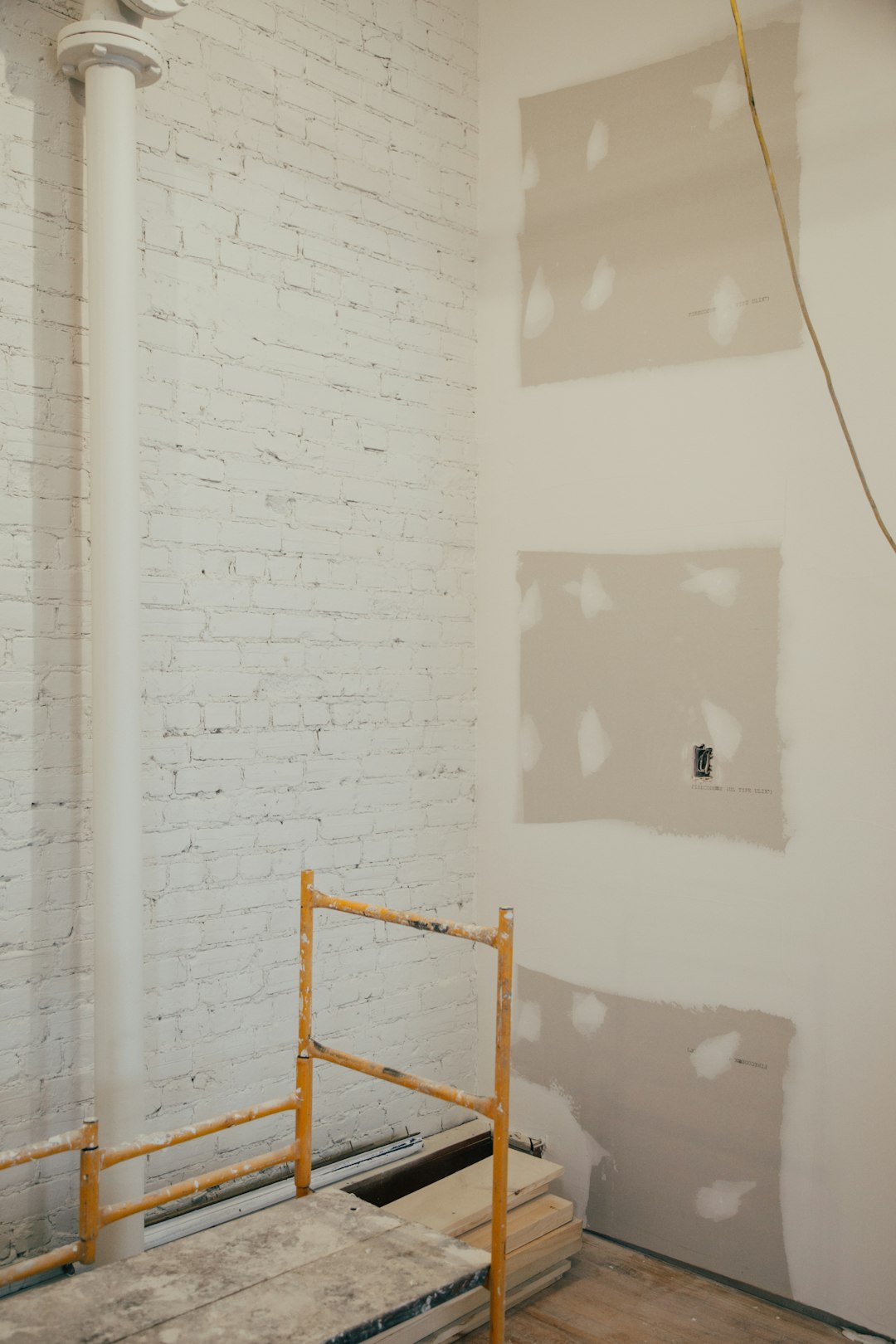
The 5 Biggest Mistakes
Skipping Proper Surface Preparation
The biggest mistake Ottawa homeowners make is rushing straight to painting without properly preparing the surface. Many DIYers paint over dirty walls covered in dust, grime, and fingerprints, thinking the new paint will cover everything up. They will also expect the paint to hide existing cracks, holes, or nail pops, which it inevitably doesn’t. Another common mistake that is less obvious however is painting over glossy surfaces without sanding first.
If any of these surface preparation techniques are not followed, the paint will not adhere properly to the surface and it will peel at some point in the near future. All of the imperfections you hoped would disappear will now appear worse than ever.
Choosing Wrong Paint Finish
Some people might think any paint is acceptable for any application however this is not the case. I see this error constantly - people choosing flat paint for high-traffic hallways where it will scuff and stain immediately, or selecting semi-gloss paint for imperfect living room walls where every bump and flaw becomes glaringly obvious.
Using Poor Quality Paint
Many Ottawa home owners will go to their local paint store and realize that prices are much cheaper than at quality paint retailers such as Sherwin Williams or Benjamin Moore. They think that they will save money on their project by purchasing cheaper paint. This however is far from the case and is one of the most common painting mistakes.
Cheap paint is thinner and provides poor coverage. You can expect to have to apply an additional 1 or 2 coats to all surfaces when compared to a reputable quality paint. In my experience, whether you buy cheaper paint and apply more coats or buy more quality paint and apply fewer coats, you end up at the same total material cost for the project. Not only will cheaper paint require additional coats, it also typically will not provide as good protection and durability. It will scuff and stain more easily, as well it will fade much sooner which will leave you repainting sooner than expected.
Inadequate Colour Testing
A very costly mistake that leads to major regret is not testing paint colours thoroughly before committing. This is a very costly mistake because without adequate testing you might get to the end of the project and realize once all of the coats are applied and the paint has dried, that your whole house is painted in a colour that you were not expecting.
Even if you realize part way through your project that it is not drying to the colour you were hoping for, you’ve probably already bought all of the paint for the project and paint retailers will rarely take paint in return because it has to be tinted for your specific project.
Too many homeowners make quick decisions based on tiny colour cards or paint one small sample in perfect lighting and think that’s good enough.
Rushing the Painting Process
The mistake that ruins otherwise good paint jobs is trying to rush through the process. Maybe you did choose the correct paint finish, purchased quality paint, and properly tested the colour against your walls, but now you decide to finish the project in a weekend, this will guarantee an uneven, poor-quality finish that you’ll regret.
Rushing leads to multiple errors: potentially skipping preparation steps or skipping a primer coat, putting on the next coat of paint before the previous one finished drying, or using improper painting techniques. Every product has specified instructions for application techniques and drying times, it is critical that these are followed.
The biggest mistake is thinking painting is just about getting colour on the wall quickly, when it’s actually about proper preparation, patience, and technique.
How to Avoid Them
Skipping Proper Surface Preparation
Before you start painting, ensure that you properly analyze the existing conditions to determine what preparation is required. Here are a few common wall conditions to address before painting:
Dirt/dust: Dust or vacuum loose dirt and dust, then clean with a mild detergent like dish soap and warm water and let dry completely before next steps.
Glossy walls: Lightly sand glossy surfaces to create a textured surface for paint to properly adhere.
Holes or cracks: Scrape areas clean of any loose paint, fill holes with spackle or drywall joint compound, sand, and prime before painting.
Nail pops: Remove paint to expose nail head, put popped nail back in, add drywall screws to properly secure drywall so nail doesn’t pop again, check to make sure area is flat, then follow procedure above to fill in hole.
Bare drywall: If painting over newly installed bare drywall, it is critical to apply 2 coats of primer before painting.
Dark colours: If existing walls are painted a darker colour and you are going to a light colour, it is critical to apply 1-2 coats of primer before painting otherwise the dark colour will show through.
Choosing Wrong Paint Finish
It is important to understand the characteristics of paint and how different finishes are used for different situations to ensure you choose the correct paint finish for your project. You can refer to my other article: ‘The Ultimate Guide to Paint Finishes’ for in depth detail on this subject.
Generally speaking however, paint finishes will vary on their durability and their ability to hide imperfections. These are inverse characteristics, as the durability and resistance to staining and scuffing increases, the ability to hide imperfections decreases. Another characteristic of paint is the ‘sheen’ or how shiny it is, this is also something to consider with regards to general appearance. Here’s a quick guide on which are the best paint finishes to use for each space:
Ceilings: Flat Paint
Walls: Eggshell Paint
Trim & Doors: Semi-Gloss Paint
Using Poor Quality Paint
The best way to avoid poor quality paint is to invest in quality from the start. Stick to Sherwin-Williams or Benjamin Moore paint for best results. These paints will provide the best coverage rates as well as the best protection and durability in the industry.
While these paints will appear to cost more on the surface as they can often run twice the price of other cheaper paint brands, total paint costs for your project will come out approximately the same as cheaper paints will need additional coats. If paint costs end up coming out to the same because of the varying coverage rates, why not save your time of having to apply additional coats by just purchasing better paint to begin with and avoid the extra labour!
Inadequate Colour Testing
When selecting a colour for your painting project it is crucial to test the colour extensively. Testing in different lighting settings is very important. The lighting on different sides of your house can significantly affect the appearance of the colour. It is also very important to test it in different rooms in your house, every location and perspective will make the colour appear differently. One other point to keep in mind is what type of testing you do. Just looking at the small colour cards from the store will not provide enough area to truly tell what it will look like in your home. While the colour cards can be relatively accurate, I find it best to actually get a sample of the paint and do one of the following:
Best option: Actually paint a small portion of a wall in a few different rooms. The only way to truly see what the paint will look like is to paint a small area of the walls you will be painting.
Alternative option: Find a scrap piece of drywall or purchase poster board with an area of at least 2’x2’ and paint it. Then place it in different rooms and leave it throughout the day to see how the light changes throughout the day. Also be sure to place it beside a piece of furniture or fixture of the house like kitchen cabinets or counters that you won’t be replacing to make sure it works well beside that as well.
Rushing the Painting Process
If you don’t want to rush a painting project, ensure that you set aside enough time to complete the job. Always account for painting projects to take longer than expected as drying times can add complexity to a tight timeline. Here are some important aspects of a painting project that can affect a project schedule, make sure to follow these recommendations for best results:
Drying time: Every paint will have a recommended drying time between coats.
Temperature: Paint will have recommended temperature and humidity levels at time of application and throughout drying times, ensure to follow these for best results.
Tools: Having the proper tools for the job can save a lot of time.
Techniques: Be sure to study proper painting techniques as improper application may lead to needing touchups or an entire repaint.
If you’re under time pressure or don’t feel that you are able to set aside the required time to ensure you aren’t rushing the painting process, consider hiring professionals like us here at Cadence Painting. We are happy to come stop by to check out your painting project and provide a free estimate to do the job to save you time and headaches!
DIY vs. Professional
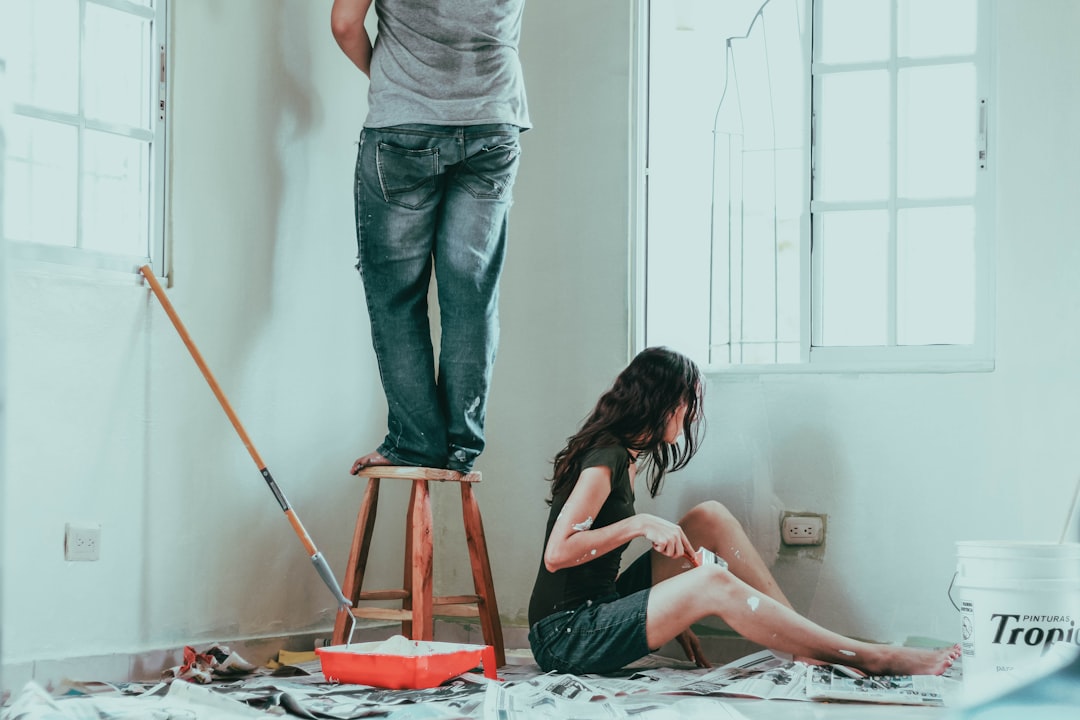
When DIY Might Work:
Interior painting is a home improvement project that looks deceptively simple. Many Ottawa homeowners think they can tackle it themselves, but what should be a straightforward project often turns into a frustrating experience filled with unexpected challenges and disappointing results. Here’s a list of some situations where DIY might work better:
Single accent walls
Small, low-stakes rooms like offices or dens without intricate detailing work
You have proper time to allocate to proper research, preparation, and application
Surfaces in good condition that require minimal preparation
Coating over existing paint with a similar colour where preparation, primer, and additional coats may not be required
When to Call Professionals:
It is critical to analyze a project before starting it to truly understand whether you can and more importantly whether you want to go on this endeavour. Calling a professional to do the work from the start is often the better strategy than starting a project and calling in a professional for reinforcements as often the work will have to be redone. Here’s a list of situations where professionals might work better:
Whole home painting projects
Surfaces with difficult conditions such as damage or staining
Time constraints require an efficient timeline
Complex high-stakes rooms like kitchens and bathrooms
Selling a house where a quality finish will add value to the home
What Professionals Bring:
While I can’t speak for all painting professionals in the Ottawa area, you can expect Cadence Painting to bring an abundance of experience and quality to your painting project. We will know how to perform the job from start to finish ensuring a high-end finish for your home. What to expect from Cadence Painting:
Proper surface preparation, material selection, and application techniques
Quality materials and tools
Experience with problem-solving
Efficient timelines
Warranty on work